

In the world of turfcare, the ground beneath our feet is shifting. A once predictable seasonal cycle has given way to a volatile cocktail of environmental and operational pressures.
From scorching summer droughts to relentless, record rainfall, the demands placed on a grass have never been higher.
The business as usual approach to seed selection is no longer an option, grower DSV Eurograss believes. Research into seed and turf development has transcended simple aesthetics, it states, “to become the foundation for the industry’s survival and sustainability”.
Breeding for the new normal
Climate change is no longer a distant threat but an everyday operational hurdle, DSV maintains as managers struggle with extreme temperature fluctuations and increasingly restrictive water usage regulations. Traditional cool-season grasses, for long the backbone of UK and European sportsturf are being pushed to their physiological limits, it adds.
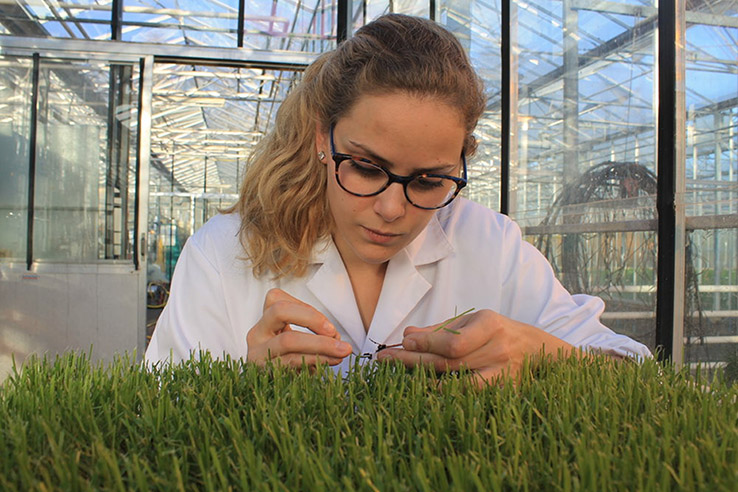
DSV research focuses on genotypic variation – the genetic blueprint that allows certain cultivars to thrive where others fail. Its breeding programmes target drought tolerance through surface-level survival and deep-rooting characteristics.
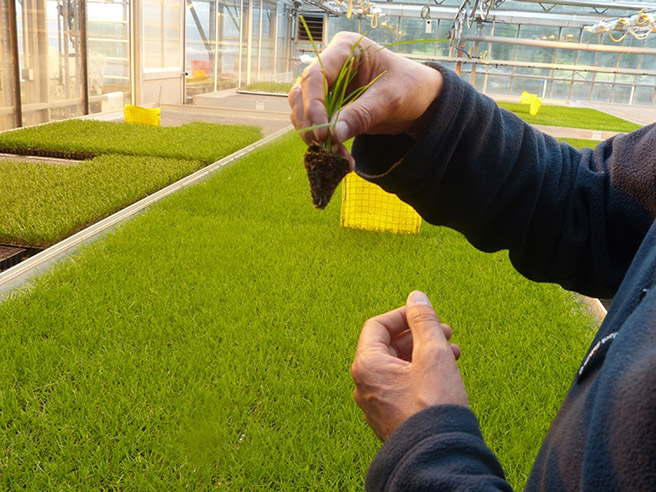
Such ‘smart root’ plants strategically adjust water uptake from deeper soil profiles during dry spells, to help managers maintain high-quality surfaces with significantly fewer irrigation inputs, the grower argues.
Resilience against emerging diseases
Warmer, more humid autumns and winters have invited a new guest list of pathogens to our turf. Dollar Spot and Gray Leaf Spot, once considered continental problems, are now common in more temperate climates.
Traditional reliance on chemical interventions is under pressure from both regulatory and environmental standpoints. DSV’s development pipeline prioritises genetic disease resistance.
Varieties such as newly ranked Flanell and Euromagic are chosen for wear tolerance and bred to be naturally robust against the fungi that thrive in these shifting weather patterns.
Building resistance directly into the seed’s DNA provides the first line of defence, DSV explains, “reducing need for costly, carbon-heavy fungicide applications”.
Sports sites need turf to withstand high footfall and maintenance regimes. DSV’s PRO range features diploid perennial ryegrasses that offer:
• Rapid germination: Vital for the tight windows of summer renovations
• High turf density: Providing the stability required for high-speed play
• Genetic colour: Cultivars such as Flanell and Eurogala deliver a natural deep green hue that looks good on camera, without recourse to excessive nitrogen inputs.
Data-driven future
Independent testing is vital, states Sam Horner of DSV Seeds, whose varieties top the BSPB Turfgrass Seed rankings – the go-to cultivar league tables.
“Trialling is only the first step to a more predictive framework in breeding, using genomic selection to identify the next generation of resilient varieties years faster than traditional methods,” he adds.
“The rankings table is the one everyone wants to top. Our recent results prove that our breeding material is now the best in these trials but the real victory is seeing these
grasses perform in the face of a changing environment.”
As water grows scarcer and weather more unpredictable, turfcare must look to the science of the seed and investing in advanced seed technology is about better-looking playing surfaces today and tomorrow.
www.dsv-uk.co.uk/products/amenity