
Do landscapers really still need hand tools? In the 21st century, surely everything that needs to be done, can be done with a powered machine.
Well, not necessarily, writes Rainer Schubert, managing director of Burgon & Ball, the UK distributor for its US sister company Corona Tools.
Hand tools remain essential for landscapers in all kinds of ways, and they’re far from consigned to the history books. Think of that job where you have trouble getting machines on to site. Or that project requiring you to work around existing garden planting or features.
And that task blends landscaping and horticulture, when it includes planting or plant care. Sometimes there’s simply no substitute for the care and finesse you can achieve with timeless manual tools.
What will you need?
It’s helpful to think about hand tools in terms of key horticultural tasks. This makes it easier to decide what these tasks might look like for the service you provide to your clients. Generally, you’ll need to think about:
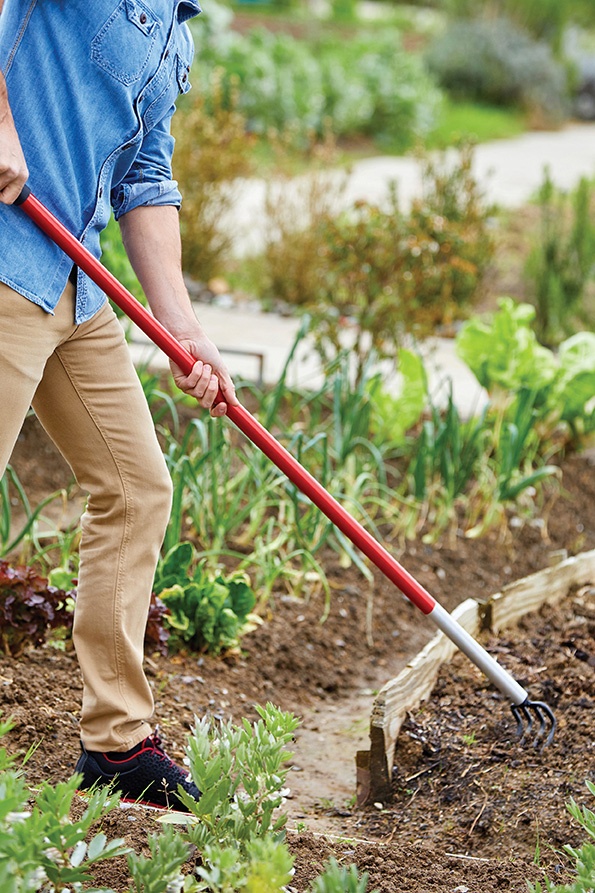
• Cultivating. Preparing the ground for planting. You might be happy using a traditional digging fork to break up the ground. In confined spaces you might choose a specialist pronged cultivator tool.
• Planting. You probably can’t beat a traditional spade for larger plants, shrubs and trees – or even a trowel for more detailed work, smaller spaces and raised beds. If the ground is hard or stony, choose a round end spade to slice easily through the soil.
• Weeding. A hoe is a classic weeding tool. The flat blade skims through the soil just below the surface, slicing through roots and shoots without disturbing the ground.
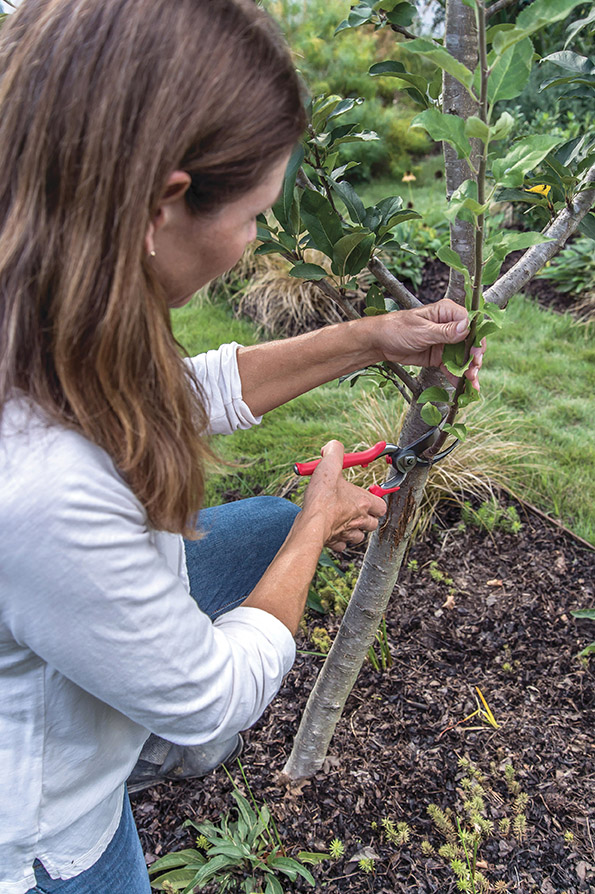
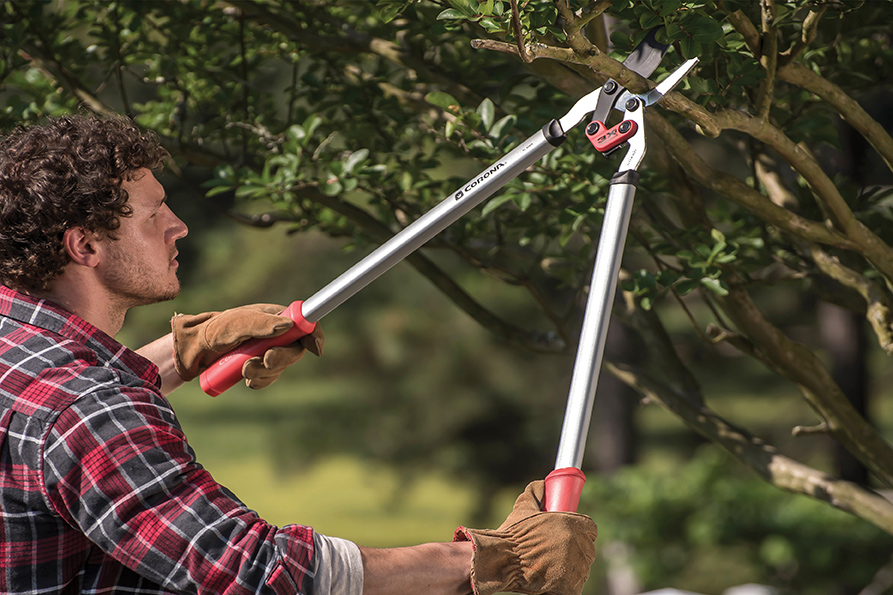
• Cutting. You’ll need a hand pruner (or secateur) for detailed work. Typically the cutting capacity of a hand pruner is a maximum of around 2.5 cm, so you’ll also need a lopper or saw for thicker stems and branches.
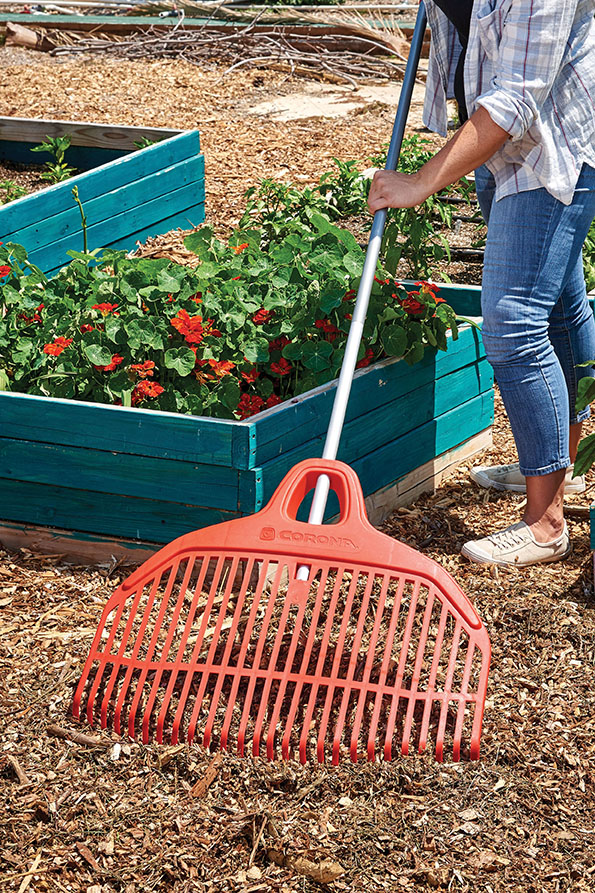
• Tidying. Two key items here would be a brush and a rake. To get the job done quickly and easily, look for a wide 18 in brush and the biggest rake you can find.
What to look for
When it comes to choosing your tools, it helps to know a little about the formulation of steel. Manufacturer Burgon & Ball for example started working with steel in 1730, making sheep shears in Sheffield, so they they can claim to have a little know-how on this.
Steel is formed from iron by adding a small amount of carbon to the mix – typically below one per cent, depending on the type of steel being made. Even tinier amounts of other alloying elements are added to make different types of steel, depending on the intended use.
High-carbon steel has extra carbon added, to give a very strong grade of steel. Adding chromium gives rust resistance. But there’s a trade-off: the steel formulation cannot be both high carbon and high chromium. It comes down to a choice. Are you looking for strength, or for rust resistance?
As a landscaper, it’s likely the tool’s strength is your top priority, so look for high-carbon tool ranges.
A 21st century solution
Even in today’s landscaping environment, hand tools bring a finesse that just can’t be equalled by powered machinery. If you have clients who really care about their plants, hand tools remain an essential part of your kit.

Corona Tools: durable, reliable tools from the USA
In North America, Corona Tools has been the landscaper and professional gardener’s brand of choice for close to 100 years. The story starts in 1928 in the orange groves of Corona, California.
Harvesting tools often left sharp stems on the fruit, leading to damage in transport. To reduce spoilage, a blacksmith produced a curved clipper to remove the stems cleanly. This small clipper revolutionised the citrus industry, which became known as California’s second gold rush – and Corona Tools was born.