
As summer mellows, meadow management cuts in, writes Paul Hadley, DLF wildflower specialist
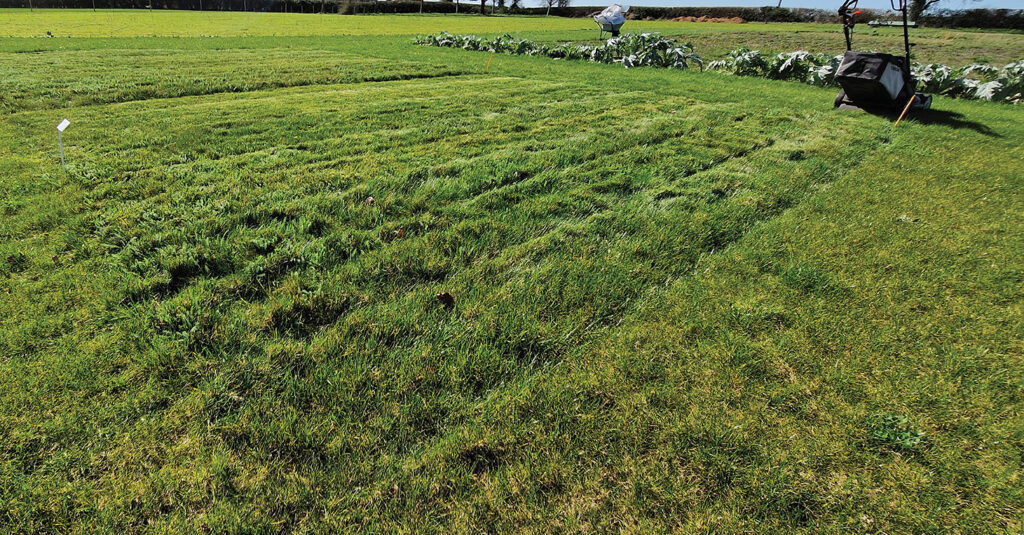
Autumn’s a critical stage in managing a native wildflower meadow long term. Following the peak flowering period, the focus shifts from visual performance to ecological balance and regeneration.
Well-timed intervention during this period maintains species diversity and ensures the meadow continues to function as a resilient, sustainable habitat.
Established meadows should receive a primary cut at the end of the flowering period, typically between August and October, followed by removing all arisings.
This late-season cut mirrors the traditional hay-cut approach, which remains the most important task in long-term meadow management.
Cutting the meadow to between 50 and 75 mm removes most spent vegetation, preventing the sward from collapsing and forming a dense mulch layer.
Removing this material is essential, as it allows light and air to reach the base of the sward, creating favourable conditions for existing perennial species to survive winter and re-emerge strongly in spring. At the same time, it prevents decaying material smothering plants and promotes successful germination and establishment of shed seed.
Vital role
Removing cuttings also plays a vital role in nutrient management. Wildflower meadows generally thrive in low-fertility conditions and returning organic matter to the soil through decomposition can increase nutrient levels.
This in turn favours more vigorous grasses and dominant species, which can outcompete finer wildflowers and newly germinated seedlings. Removing arisings and, in turn, reducing fertility, helps maintain the balance required for species-rich swards.
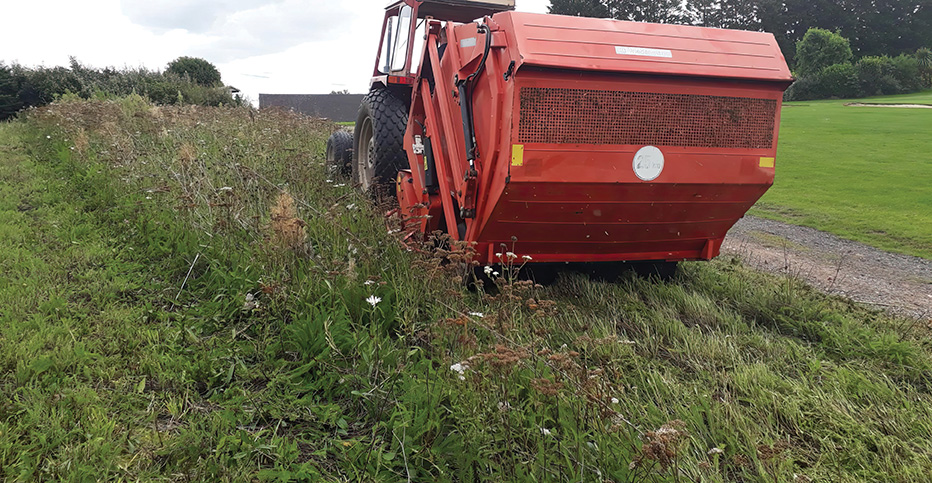
Several cut-and-collect methods can be employed depending on site scale and accessibility. Smaller areas may be managed using pedestrian mowers or strimmers, then raking and removal of material. Larger meadows typically require tractor-mounted, flail-and-collect mowers. Sometimes, cuttings may be left briefly on the surface to allow remaining seed to fall before removal, helping natural regeneration.
Autumn’s also a fitting time for targeted weed management. Digging out or spot treating persistent perennials where necessary, helps control invasive or dominant species without negatively impacting the wider sward.
This selective approach prevents problem species such as docks or thistles establishing long-term dominance, while early summer rouging is also critical to remove seed heads before they mature, so in autumn you are dealing with just the plant, not its offspring.
Biodiversity Benefits
Light scarification can expose small areas of bare soil, improving seed-to-soil contact and aiding germination of that season’s seed. Similarly, carefully timed operations – ensuring most desired species have set seed before cutting – maximises the meadow’s regenerative potential.
Autumn cut-and-collect is not simply a tidy-up operation but a fundamental ecological management tool. By removing cut vegetation, controlling nutrient levels and creating opportunities for regeneration, it underpins the long-term success of species-rich wildflower meadows.
When carried out correctly, this approach sustains diversity, supports biodiversity objectives and ensures that the meadow continues to thrive.
For more, visit: www.dlf.co.uk
And for more stories like this, visit our features section.