
On farms, there’s no such thing as ‘just a quick ride’ as every journey on an all-terrain vehicle (ATV), whether across the yard or out in the field, carries risk.
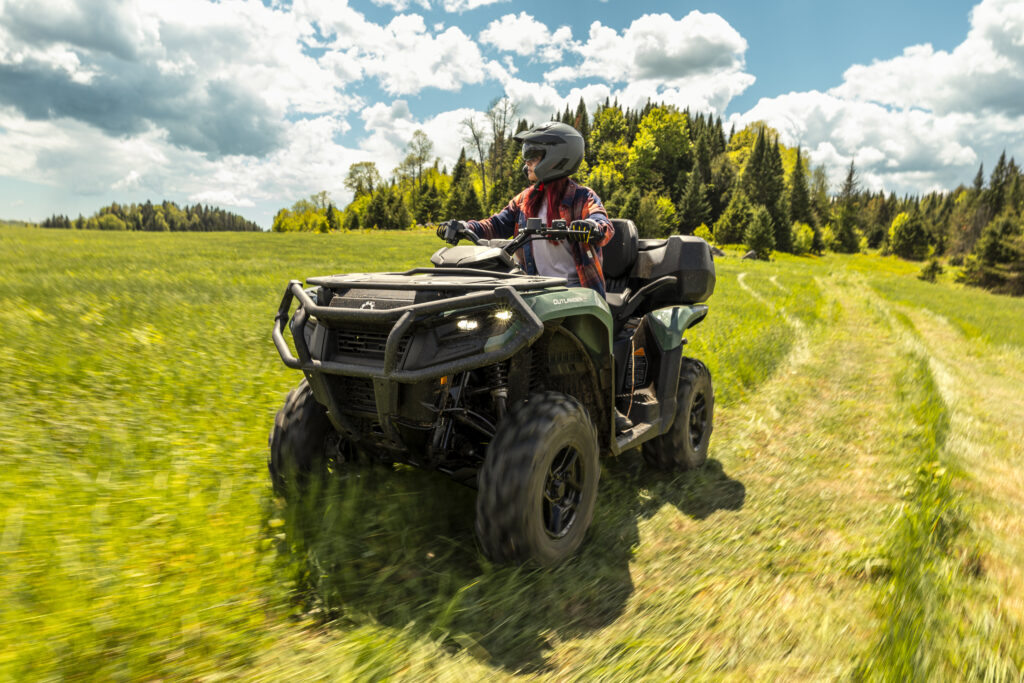
As Farm Safety Week encourages the industry to put safety first, the message from Can-Am is clear; responsible riding is critical. Safety first is highlighted in Can-Am’s Responsible Rider Charter, which has been developed using the knowledge and experience of the Can-Am off-road team.
Can-Am’s user guidance reinforces the importance of wearing the correct protective equipment, such as wearing a helmet, carrying out essential vehicle checks and using ATVs as they are designed to be used. Following these simple processes reinforces best practice and Can-Am is challenging users to rethink how they approach rider safety and safety on site, sparking discussions from all age groups in the industry about the importance of responsible riding.
Mike Loach, BRP commercial manager, says, “We believe no job is so urgent that it should come at the expense of rider safety. This is why we’re committed to giving riders the knowledge and confidence to make safer decisions every time they get behind the handlebars. Through our Responsible Rider Charter, practical safety guidance and by encouraging users to complete recognised training with ATVEA or EASI, we’re helping to build a stronger culture of responsible riding across agriculture. If every rider takes safety seriously and passes these habits on to colleagues, friends and family, we can make a real difference in reducing avoidable accidents and saving lives.”
Can-Am off-road rider safety top tips:
Load it right. Ride it right – Secure and evenly balance everything you are carrying on the ATV, never exceed the ATV’s load capacity and always follow the manufacturer’s recommendations that are in the handbook.
Stay alert as hazards can appear in a split second – Keep scanning your surroundings for livestock, obstacles, uneven ground and other people and vehicles.
A two-minute check could prevent a serious incident – Before you start your ATV, inspect it to make sure it’s safe, roadworthy and ready for the job at hand. In addition, preventative maintenance leads to safer machinery and less downtime due to breakdowns
Smooth is safe – Avoid sudden acceleration or harsh manoeuvres as rapid changes in speed are a common cause of rollovers.
Dress for the ride, not the weather – Every ride should start with the right PPE, including a helmet, sturdy boots, long sleeves and long trousers.
Let your body work with the terrain – Shift your weight to stay balanced, lean forward when ascending slopes, move back when descending, select a low gear and use engine braking to maintain control.
Walk it before you ride it – If you’re working in unfamiliar ground, check the route or location on foot to identify hidden hazards, ruts, ditches or obstacles that could be an issue.
Expect the conditions to change – Weather can turn quickly. Be prepared to adapt your riding as changing ground conditions can affect grip, stability, towing and carrying loads.
Know your machine – Your owner’s manual is one of the most valuable safety tools you have. Read it, understand it and refer back to it regularly.
Set a top speed – Use the DESS key to set a top speed for your ATV that is relevant to the job being carried out.
Get trained and ride with confidence – Professional training gives you the skills to handle your ATV safely, make better decisions in challenging conditions and reduce the risk of incidents. If you’re new to ATVs or even an experienced rider, completing accredited training through LANTRA, EASI or other accredited training providers is one of the best investments you can make to ensure your safety.
For more information about responsible riding visit – https://www.brp.com/en/sustainability/responsible-rider.html
For more stories like this, visit our news section.