
As garden and outdoor living spaces continue to evolve, client expectations demand landscapers deliver wooden structures that look amazing on installation day and keep their finish long-term.
For timber-heavy projects – whether decking and fencing, pergolas, sheds or screening – delivering a pristine, lasting finish is essential to satisfy clients. Homeowners are paying closer attention to colour retention, maintenance requirements and timber wear over time.
Conversations and queries paint producer Protek is having with landscapers are also changing, reports director Harriet Farquhar. “There’s more consideration around lifespan and appearance of timber structures, rather than coatings simply being viewed as the final decorative step,” she notes.
“Landscapers are looking for finishes that work hard long term and fit the wider design of the project.”
Alongside more traditional fencing and decking products, the company sees huge interest in specialist products such as ESP Panels, particularly across outdoor building and renovation projects from trade customers.
“More landscapers are working on projects that blur into outdoor living and construction,” Harriet adds.
“Garden rooms, outdoor kitchens, screening features – far more use of engineered boards and panel products – so naturally there’s more focus on protecting those materials properly from moisture and long-term exposure.”
Design-led timber finishes
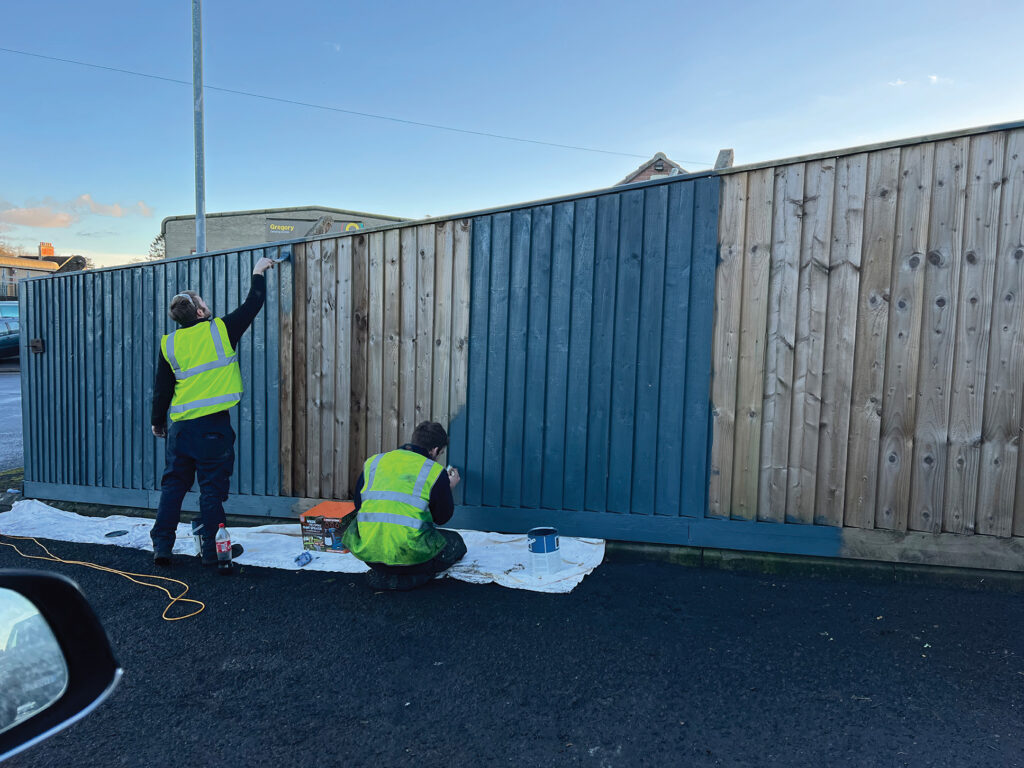
On top of bolder colours in garden spaces, demand is growing for softer, more natural-looking timber finishes – particularly on projects where clients want new structures to feel cohesive within established outdoor spaces, or they’re reusing existing timber within the space.
“Our spring 2026 sales confirm a clear shift in the landscaping sector,”
Harriet confirms. “Trade landscapers are increasingly choosing premium, long‑life coatings such as Royal Exterior and Timber Eco Shield.”
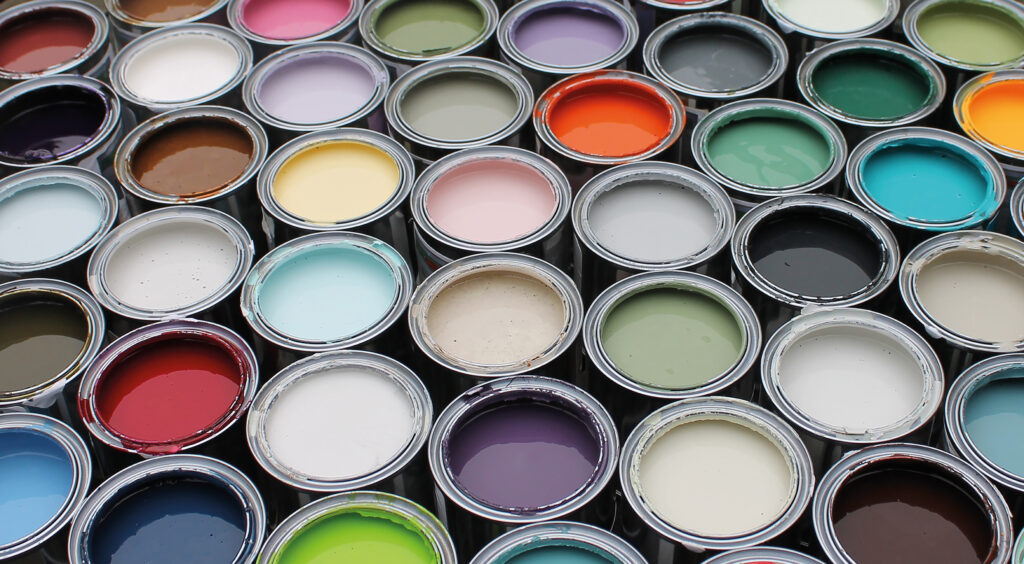
Demand is strongest for contemporary greys, soft neutrals and natural timber tones, she adds, reflecting the rise of modern outdoor living spaces and high‑end garden buildings. “Landscapers are moving away from basic fence treatments and towards durable, decorative finishes that deliver long‑term performance and a premium aesthetic.”
Products now deliver better finish but correct preparation, timing and application of product still matter.
1. Don’t rush wet timber
“We understand the pressure landscapers are under during the summer months, with the drive to turn around projects quickly while the weather’s good,” says Harriet.
“But timber has a mind of its own sometimes. What may look surface dry might still hold moisture underneath.”
Giving pressure-treated timber time to dry properly and stabilise before coating can make a major difference to finish consistency and long-term performance.
“Nobody wants that awkward phone call a few months later where a client’s asking why part of the decking’s started lifting or peeling,” Harriet adds. “A bit of patience up front can save headaches later.”
2. A proper clean-up goes a long way
Algae, dust, site residue and general grime can all affect how evenly coatings perform, particularly on fencing and decking that’s been exposed to the elements before installation.
“The simple things sometimes get overlooked when everyone’s busy,” says Harriet. “Timber can pick up dirt, or algae on the deck or fence can grow underneath the stain and result in peeling and a finish that doesn’t look as clean or consistent as it could.”
Even a quick clean and proper prep before application can help improve coverage and avoid patchy areas later down the line, she advises.
3. Spraying’s growing but a brush is still big
Spraying systems continue to become more popular on larger fencing projects because of speed and consistency, although many landscapers still prefer traditional brushes for detailed work and rough sawn timber, Harriet reports.
“There’s still healthy debate about this one. Some love spraying because it saves so much time on big runs of fencing – others will never give up a good chunky brush because they trust the coverage more.”
The right approach often depends on the timber, the scale of the project and the finish. “A decent brush really does make a difference,” Harriet maintains, “particularly on textured timber where you want the product worked properly into the grain rather than sitting on the surface.”
4. Weather watch
“We’ve all been there when you think ‘great, finally some sun’ and then the product’s drying quicker than you can work with it,” says Harriet, “especially on darker timber that’s been sat baking in direct sunlight all afternoon.”
Drying conditions can vary dramatically across the same project, particularly where shaded sections retain moisture for longer than exposed areas, she advises.
No hiding place for shortcuts
With more landscapers erecting everything from pergolas and outdoor kitchens to full garden rooms, woodcare forms far more part of the build process.
“Timber’s not a ‘paint and forget’ material, especially outdoors in the UK,” Harriet says. “Landscapers who really understand that are usually the ones whose projects still look great long after they’re finished.
“Most issues we are asked about aren’t dramatic disasters, but usually patchiness, inconsistent weathering or one area ageing differently to another,” she says. “And that’s normally down to timing, moisture or what the timber was like before the coating even went on.”