

The Tree Council is partnering once again with National Highways to support community planting projects across England by gifting thousands of trees to charities, local communities and heritage and wildlife sites, benefitting people and biodiversity.
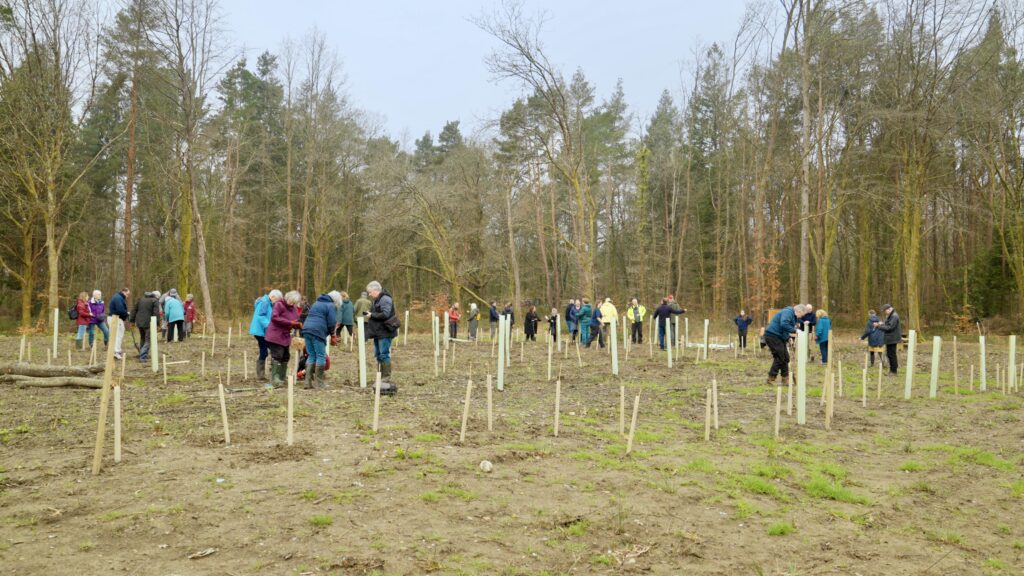
The partnership, returning for a third year, will see National Highways plant hundreds of thousands of trees by 2030 in sites where they will enhance local green spaces, support nature recovery and bring communities together.
Sara Lom, CEO of The Tree Council, said:
“We’re thrilled to reopen this impactful partnership, supporting community volunteers, conservation charities, local authorities and landowners to establish trees, orchards and hedgerows in urban and rural locations, capturing carbon, providing homes for precious wildlife and lifting our spirits.”
David Green, National Highways manager for the Community Trees Programme said:
“Through the Community Trees Programme, we’re making it easier for charities, community groups and local organisations across England to access native trees that can improve green spaces, support wildlife and bring people together.
“We know that the best environmental projects are rooted in local communities, and we’re looking forward to seeing the positive difference these trees will make towards strengthening the natural environment for years to come.”
The varieties of species available for the 2026-27 planting season are being grown at Greenwood Plants, West Sussex. All tree stock is Plant Healthy certified and grown from British-sourced seed in 100% peat free growing medium, ensuring the trees have the best chance of survival with the least environmental impact.
Glenn Devenish, CEO at Greenwood Plants said:
“Greenwood Plants is proud to be part of a programme that will leave a lasting legacy across communities throughout the UK. Many of the trees we are growing today will still be standing for generations to come, which makes this initiative particularly special to us. It’s fantastic to be working alongside The Tree Council and National Highways, and we hope the communities these trees become part of will value and enjoy them every bit as much as we have enjoyed growing them.”
For 2026/27, applications to the scheme will need to demonstrate clear community benefit and, where possible, encourage participation; as well as showing how plantings will enhance biodiversity at proposed planting locations and contribute to climate resilience.
Last year the scheme supported councils, arboretums, conservation and wildlife trusts, as well as schools, community groups and charities, to plant more than 180,000 trees and hedgerow whips.
In Lancashire, where tree cover outside woodlands is well below the national average, the Lancashire Treescapes Programme received 22,150 trees through the scheme for planting at publicly accessible sites across the county, including new shelterbelts for school playing fields near the M55.
The Tree Council CEO, Sara Lom, celebrated the return of the scheme:
“After supporting 39 fantastic projects last year, we’re delighted to bring trees into even more people’s lives across the country this winter.”
National Highways Community Trees Programme is open to applications for projects requesting between 500 and 50,000 trees. Applications will be reviewed on a rolling basis and the programme will remain open until tree stock has been fully allocated. Early applications are strongly encouraged.
All grants are accompanied by expert advice and support from The Tree Council, from application, to planting, to ensuring that trees are able to establish successfully.