
As the UK’s weather becomes increasingly unpredictable, with hotter summers, heavier downpours, longer dry spells and colder winter snaps, the Horticultural Trades Association (HTA) is sharing some of the innovative ways that its members are already introducing to future-proof gardens with smarter planting and design choices that will thrive in a changing climate.
 Gardens are one of the UK’s biggest climate assets. The trees, shrubs and plants grown by the environmental horticulture industry help cool homes and streets during heatwaves, absorb rainfall during wet weather, support pollinators and wildlife, and create greener, healthier places to live.
From choosing more resilient plants through to improving soil health and capturing rainwater, gardeners can make some simple changes that will help their gardens cope with increasingly extreme weather while reducing pressure on valuable water resources.
The environmental horticulture sector, which includes the HTA’s 1,400 members comprising garden retailers, growers, landscapers, designers, suppliers and manufacturers, is already adapting to our changing UK climate. UK growers are investing in rainwater harvesting, automated irrigation, and more resilient plant production, while garden centres and landscapers are helping customers create gardens better prepared for the future. Latest HTA research shows that, among the members surveyed, 64% of growers recycle rainwater, 64% use automated watering systems, and more than half (52%) have on-site reservoirs.
Gardens that work with the weather
A climate-resilient garden is about much more than surviving a heatwave. It’s about creating outdoor spaces that can cope with dry summers, intense rainfall and changing seasons without losing colour, biodiversity or beauty.
Simple changes can often make the biggest difference, including planting trees for shade, improving soil with organic matter to help it retain moisture longer, using mulch to reduce evaporation, collecting rainwater in water butts, and choosing plants that can cope with both drought and winter wet.
Gardens can also help manage water naturally. Permeable paths and patios, rain gardens, planted borders and healthy soils all allow rainwater to soak into the ground rather than overwhelming drains during heavy downpours. These features not only reduce surface water runoff but also create habitats for birds, bees and other wildlife.
Samantha Smith, Policy and Public Affairs Manager at the Horticultural Trades Association (HTA), said:
“Environmental horticulture has a vital role to play in helping the UK adapt to a changing climate. Every garden, no matter its size, can become part of the solution.
“The trees and plants grown by our industry cool our towns and cities during heatwaves, help absorb rainfall during wetter winters and support biodiversity throughout the year. Across the industry, we’re investing in more climate-resilient plants, rainwater harvesting and smarter watering systems to help gardeners create outdoor spaces that are ready for the weather of the future.
“The good news is that creating a climate-resilient garden doesn’t mean compromising on colour or enjoyment. It’s about choosing the right plants, improving the soil, using water wisely and designing gardens that work with nature.”
Designing beautiful gardens that are built to last
The Association of Professional Landscapers (APL), made up of the HTA’s accredited landscaper and garden designer members, are seeing growing interest in gardens that combine beauty with practical climate resilience.
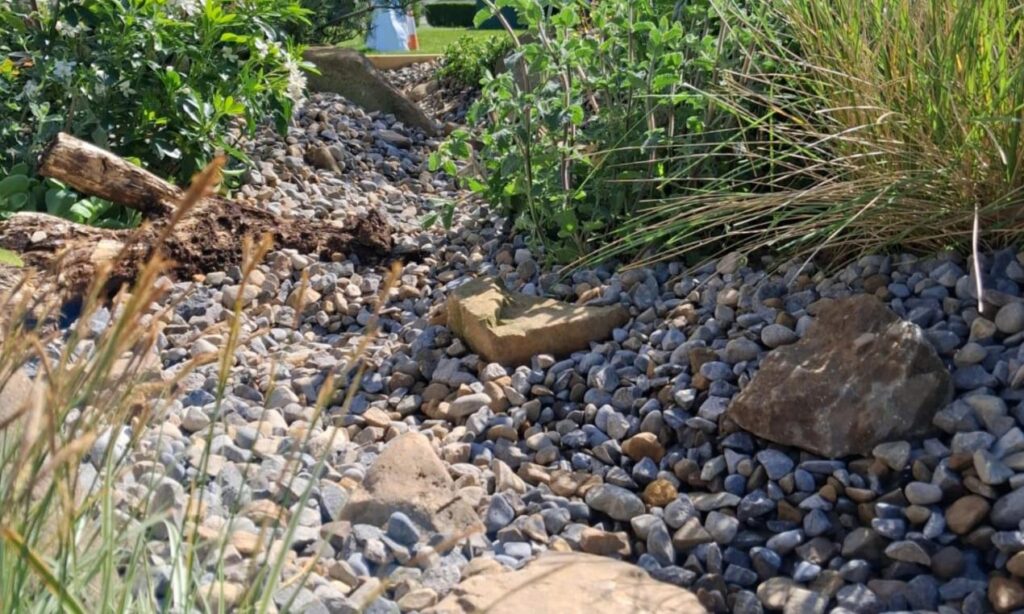
Sustainable Drainage Systems (SuDS) include features such as permeable paving, gravel, planted swales, dry riverbeds and rain gardens that slow down and absorb rainfall naturally. Rather than directing water into drains, these gardens hold and filter rainwater through plants and soil before it gradually returns to the ground.
These ideas work in gardens of every size, from replacing a section of paving with planting to creating a wildlife-friendly rain garden or installing a water butt to collect rainfall for drier periods.
Phil Tremayne, General Manager of the Association of Professional Landscapers (APL), said:
“Modern landscaping isn’t just about appearance; it’s also about how a garden or surfaces, like your driveway or patio, handle rainwater. Traditional hard surfaces can cause water to run off quickly, which increases the risk of flooding and drainage problems.
“Our climate is changing, and we know that more areas of the UK will need to cope with both intense rainfall and prolonged dry periods, which means thoughtful design, planting and permeable landscaping are the answer to managing water more effectively and creating a more sustainable, long-lasting environment.
“A professional landscaper or garden designer can help homeowners choose practical solutions that suit their garden, soil and local conditions.”
The HTA’s Horticulture Manager and regular panellist on Gardeners’ Question Time, Pippa Greenwood, has compiled a list of Top tips to help the public plan for their gardens of the future.
Pippa Greenwood’s Top Ten Tips for creating a climate-resilient garden
- Choose the right plant for the right place
Select plants that suit your soil, aspect and local conditions, and can cope with a range of weather extremes, including drought, heavy rain and cold snaps. - Choose proven drought-tolerant plants
Reliable examples include English lavender (Lavandula angustifolia), Nepeta, Salvia and hardy herbaceous geraniums, which can cope with a wide range of conditions once established. - Plant more trees where you have space
Trees are nature’s air-conditioning, providing shade during heatwaves, improving soil structure and helping manage rainfall. Trees that cope well with climate change include Paulownia tomentosa (Princess Tree), Koelreuteria paniculata (Golden Rain Tree) and Cercis siliquastrum (Judas Tree). - Prepare your soil before planting
Incorporate plenty of organic matter to improve soil structure, increase moisture retention and give plants the best chance to establish and thrive. - Water deeply and at the right time
To help plants make the most of available moisture, water less frequently but more thoroughly and aim water at the roots. Early morning or evening watering is best to reduce evaporation. - Capture and reuse water wherever possible
Invest in a water butt to collect rainwater. You can also fit a diverter to the downpipe from e.g. the bath/shower to collect ‘grey’ water – perfect for watering plants in beds and borders, and that also means you’ll be filling those butts regardless of the weather, making your garden a bit more resilient for future dry spells. You can find these at your local garden centre too! - Mulch for moisture
Applying mulch when temperatures are lower will help to reduce evaporation, regulate soil temperature and improve moisture retention during dry periods. - Give newly planted trees and shrubs extra care
Newly planted specimens need the most attention. Regular watering during their first year helps them develop strong root systems and better withstand future weather extremes. - Use efficient watering methods
Drip and trickle irrigation systems deliver water directly to the roots, reducing waste and improving water efficiency during dry weather. Check with your water supplier if these can be used during any restrictions. - Create a garden that works with water naturally
Features such as permeable paving, rain gardens, planted borders and healthy soils help absorb heavy rainfall, reduce runoff and support wildlife.
For the latest landscaping guidance from the Association of Professional Landscapers (APL), visit: www.landscaper.org.uk