
Growing numbers of landscapers are visiting one of the mainstays of road transport and logistics.
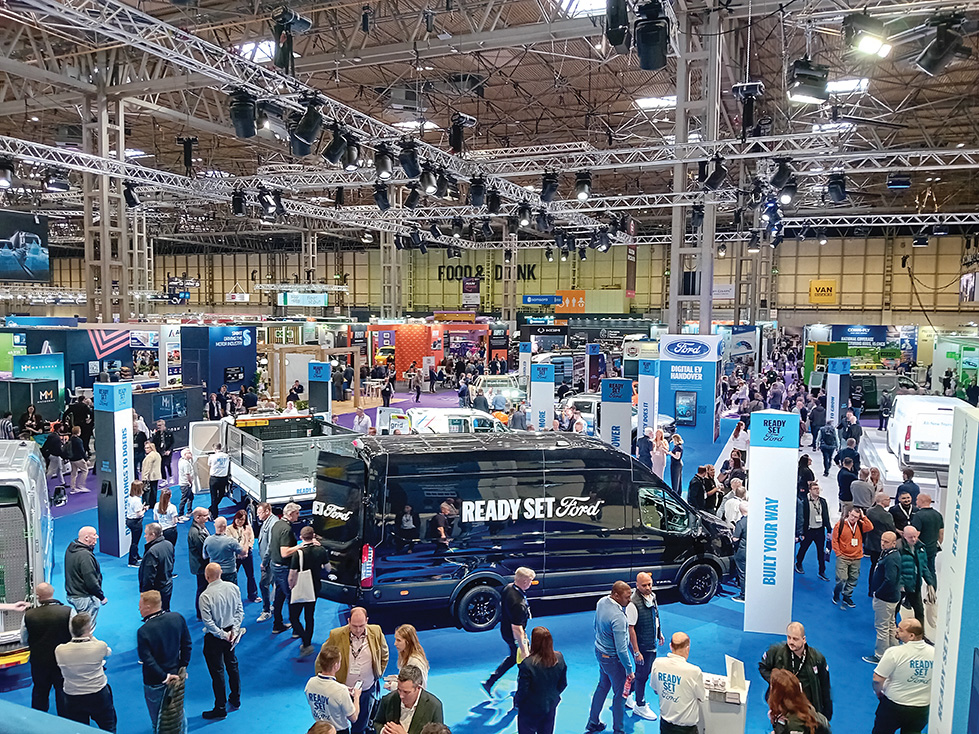
The Commercial Vehicle Show is seen as the UK’s premier event for these sectors but the 2026 edition underlined why it is becoming increasingly relevant to landscape contractors, arb businesses and local authority groundcare teams.
While heavy trucks and distribution fleets remain a core element of the event, the show floor reflected the changing needs of a much broader audience. For businesses responsible for transporting crews, machinery, tools and materials, there was a strong focus on vehicle electrification, specialist conversions, fleet technology and next-generation pickups.
One of the dominant themes throughout the show was the continued shift towards lower-emission vehicles. As local authorities work towards net-zero targets and contractors increasingly encounter environmental requirements within procurement frameworks, interest in electric commercial vehicles continues to grow.
For landscape professionals, however, the key question is not simply whether vehicles can be electrified but whether they can perform the demanding tasks required on a daily basis. Payload, towing capability, durability and operating range remain critical considerations, particularly for contractors working across multiple sites or in rural locations.
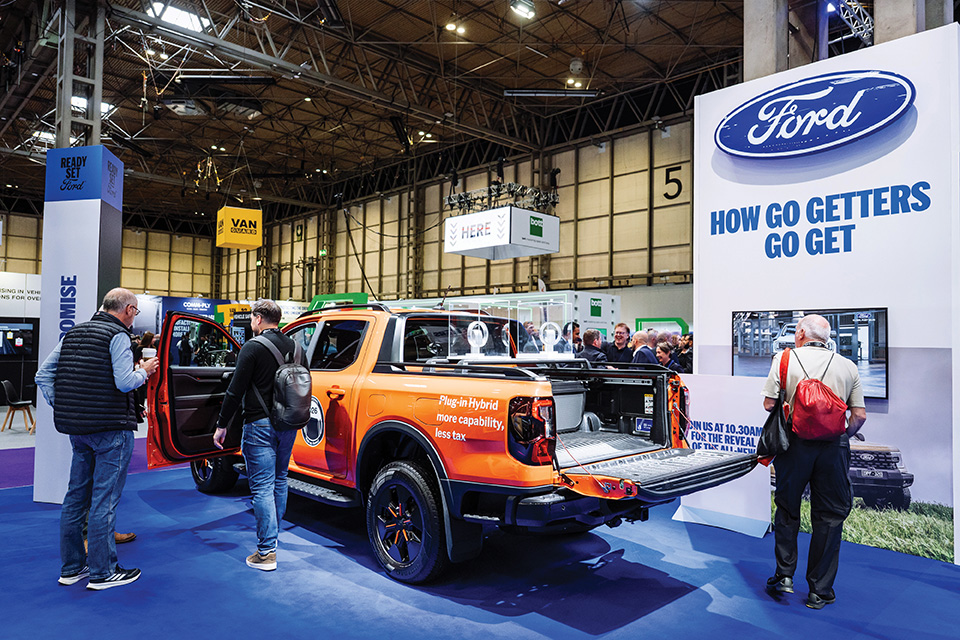
Rapid response
Ford’s commercial vehicle range attracted major attention, with the Ranger continuing to reinforce its position as one of the UK’s most popular pickups among contractors and fleet operators.
For many landscaping businesses, pickups remain indispensable, offering the versatility required to tow machinery, carry equipment and access sites where larger vehicles may struggle.
Alongside established brands, visitors were also able to explore an increasingly diverse range of commercial vehicle manufacturers. Maxus showcased its growing portfolio of electric commercial vehicles, while Iveco demonstrated solutions suited to specialist fleet applications. FOTON was among a number of manufacturers highlighting new opportunities for operators seeking alternatives to traditional vehicle suppliers.
The expanding variety of vehicles on display reflected a wider trend across the industry. Fleet operators are no longer limited to a small number of established brands, with new manufacturers bringing fresh approaches to electrification, connectivity and vehicle design.
For landscape contractors, this increased competition is likely to accelerate innovation while broadening the range of vehicles available for specialist applications.
Vehicle conversion
Few landscaping businesses operate standard off-the-shelf vehicles. Instead, many rely on bespoke configurations incorporating tipping bodies, dropsides, crew cabs, lockable tool storage, racking systems and towing solutions tailored to operational requirements.
The Commercial Vehicle Show remains one of the best opportunities to see these solutions in action.
A significant number of bodybuilders and conversion specialists exhibited at the event, demonstrating how commercial vehicles can be adapted to maximise productivity, improve safety and support increasingly complex operational demands.
For local authority groundcare teams, the ability to compare vehicle and conversion options side by side is particularly valuable. With budgets under pressure and sustainability targets becoming more demanding, fleet decisions are increasingly focused on achieving long-term operational efficiency.
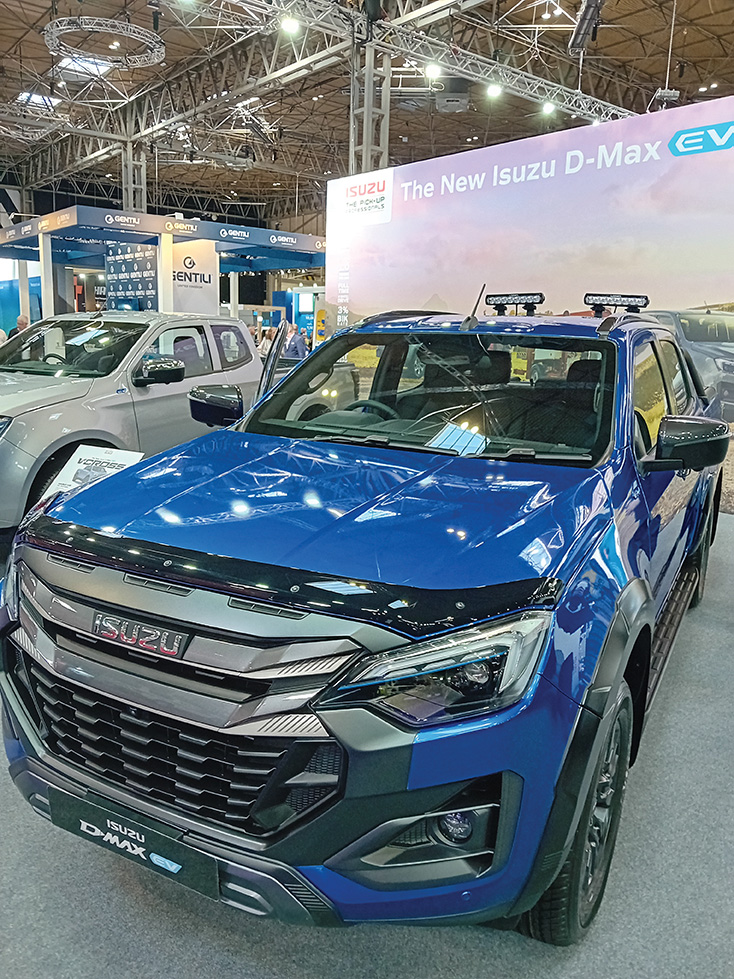
Tech focus
Modern telematics systems are now capable of delivering detailed insights into vehicle utilisation, maintenance requirements, driver behaviour and route planning. For organisations managing multiple crews and vehicles, these technologies can play a significant role in reducing operating costs and improving fleet performance.
Safety technologies continue to evolve at a similar pace. Advanced camera systems, driver assistance features and connected vehicle solutions are becoming increasingly common across commercial fleets, helping operators improve compliance while reducing risk.
The show also reaffirmed its status as one of the industry’s leading launch platforms. Manufacturers continue to use the event to introduce new vehicles, technologies and services to a concentrated audience of fleet professionals and purchasing decision-makers. For visitors, this provides a valuable opportunity to assess emerging products and gain an early understanding of future market developments.
What became particularly clear during the 2026 event is that the challenges facing logistics operators and those facing landscape contractors are increasingly aligned.
Decarbonisation, vehicle safety, operational efficiency and fleet optimisation have become priorities across virtually every sector that depends on commercial vehicles.
As a result, the Commercial Vehicle Show is attracting growing interest from organisations beyond traditional transport and logistics, including local authorities, utilities providers, environmental services operators and contractors managing specialist fleets.
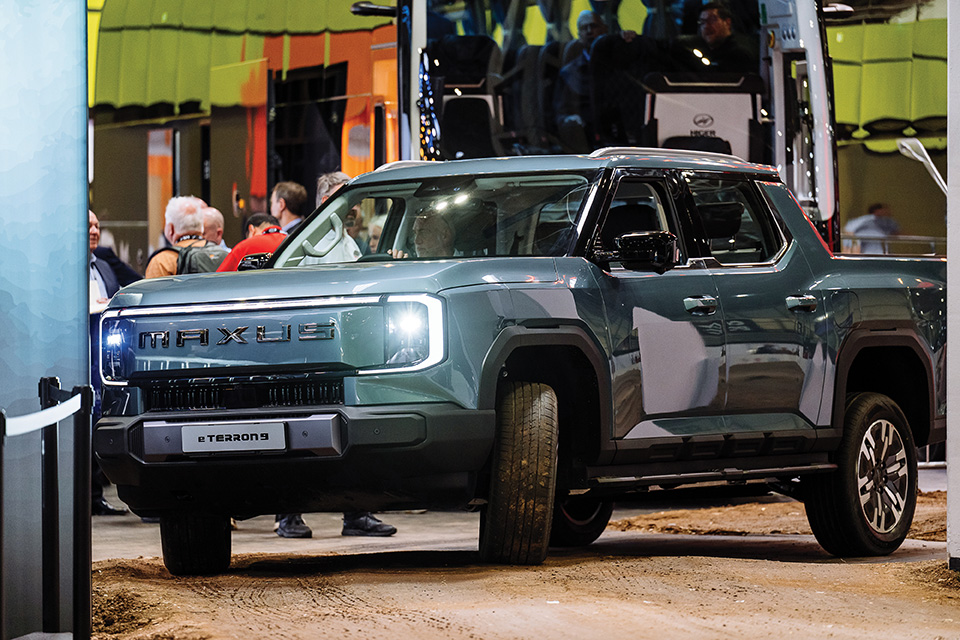
For businesses involved in landscaping and grounds maintenance, the event offered a useful insight into the future direction of commercial vehicles. From electric pickups and alternative fuel technologies to specialist conversions and fleet management systems, many of the innovations on display are likely to influence purchasing decisions across the sector in the years ahead.
The next Commercial Vehicle Show will take place at the NEC Birmingham from 21 to 23 April 2027, where the industry will once again gather to showcase the technologies, vehicles and services shaping the future of commercial fleet operations.