

The Horticultural Trades Association (HTA) has launched a Wages & Labour Benchmarking Study on its new platform, giving members across retail, growing and landscaping a valuable opportunity to benchmark their workforce metrics against industry averages to gain insight into wages, recruitment and employment trends across the sector.
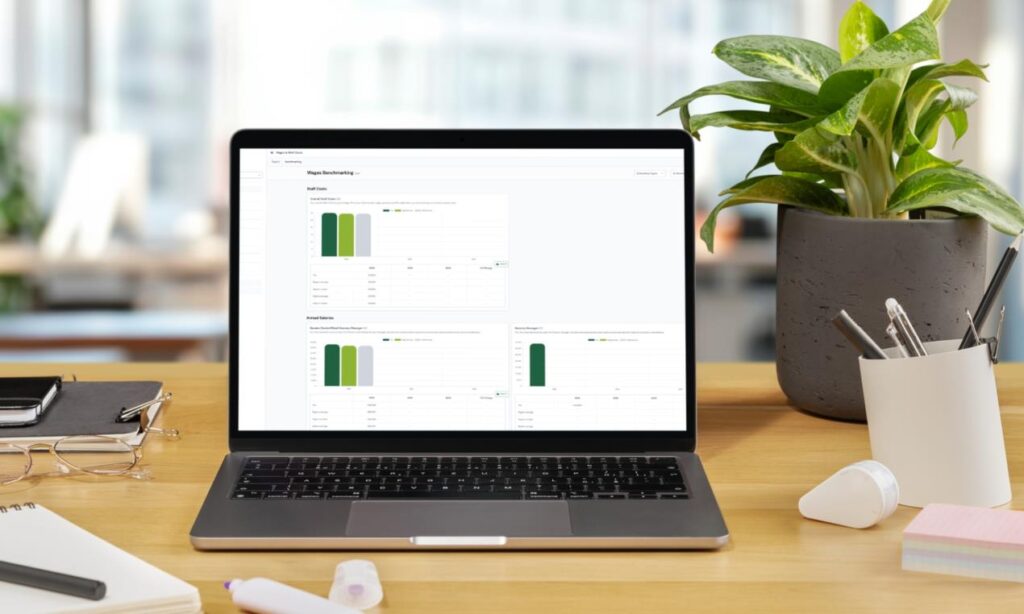
Exclusively available to HTA members, the study will support access to robust benchmarking data that enables businesses to measure their offering against averages for similar organisations and make more informed decisions.
The launch of the study comes at a time when labour costs remain a key challenge for many UK horticultural businesses. Recent increases in the National Living Wage and National Insurance Contributions alone are estimated to have added £134 million to industry costs, reinforcing the importance of access to reliable, sector-specific data.
Delivered through the HTA’s Member Benchmarking Platform, the study enables participating members to compare their businesses with averages for business peer groups by region and business type. It covers wages, staff costs, recruitment methods, benefits and key HR metrics such as vacancy rates, absenteeism and staff turnover, offering practical insight to support both day-to-day management and longer-term planning.
The study is split into three modules – Wages & Staff Costs, Workforce & Vacancies, and Recruitment & Retention, with each module designed to take around five to ten minutes to complete, making it quick and straightforward for members to contribute. Businesses can also assign multiple users to input data, with secure access controls in place to ensure information remains confidential and anonymised.
Once sufficient data has been collected, interactive reports will be published on the platform, with full access to detailed regional and national benchmarks available to contributing members. Over time, members will also be able to compare their performance year-on-year as data builds, further strengthening the value of the tool as part of ongoing business planning.