
Facilities managers and budget holders face a common challenge when irrigation systems develop faults: determining whether to repair or replace aging infrastructure. According to Paul Jeffery, Managing Director of Waterscapes, the decision depends on system condition, downtime costs, and fault patterns rather than age alone.
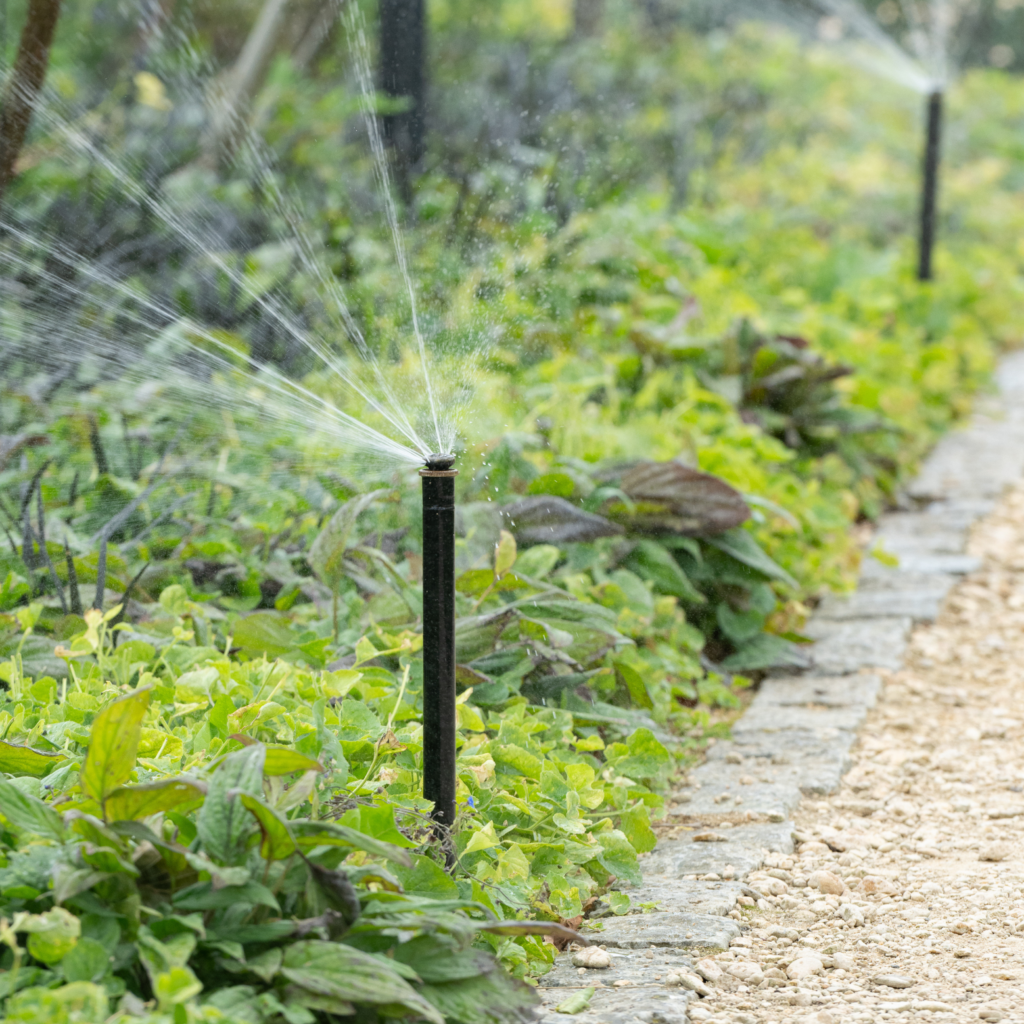
“A single component failure in an otherwise sound system is normal maintenance,” says Jeffery. “But when the same zone fails repeatedly, you’re not fixing the component anymore. You’re managing a symptom. Something else is driving the failure.”
Repeat faults signal broader system deterioration. Increasing callout frequency, multiple faults in quick succession, and rising downtime costs indicate that reactive repair spending is no longer delivering value. Systems over 10 years old typically face additional challenges including outdated controls, parts availability issues, and efficiency losses that impact water consumption and sustainability targets.
Jeffery recommends phased upgrades as a practical alternative to full system replacement. “Upgrading controls and sensors first provides immediate benefits through remote monitoring and real-time fault detection. That reduces callouts and improves water management. Zones can then be upgraded progressively, spreading capital spend across budget years and minimising disruption.”
The approach delivers measurable ROI through lower maintenance costs, reduced water bills, and fewer emergency callouts. However, the decision requires evidence rather than guesswork.
A condition survey assesses system performance, identifies root causes of repeat faults, and provides costed options for repair, partial upgrade, or phased replacement,” Jeffery explains. “That gives budget holders the data they need to justify spend and plan strategically.” The key is recognising when reactive spending stops being maintenance and starts being poor asset management.